


Armenia
*
Basa Azerbaijan
Basa Belarusia
Basa Bengali
Basa Bosnia
Basa Bulgaria
Basa Cebuano
Chichewa
Korsika
KroasiaWalanda
Basa EstoniaWong Filipina
Basa FinlandiaBasa Frisia
Galicia
Georgia
Basa Gujarati
Wong Haiti
Hausa
Wong HawaiiIbraniWong Hmong
Wong Hongaria
Islandia
Igbo
Wong Jawa
Basa Kannada
Kazakh
KhmerWong Kurdi
KirgizLatin
Basa LatviaLithuania
Luksemburg..Makedonia
MalagasiMelayu
MalayalamWong MaltaWong Maori

Marathi
Wong Mongolia
Wong Burma
Wong NepalBasa Norwegia
Basa PashtoPersia
PunjabiBasa Serbia
Basa Sesotho
Sinhala
Slowakia
Basa SloveniaSomalia
Wong SamoaBasa Gaelik Skotlandia
ShonaSindhi
Basa Sunda
Basa Swahili
Wong Tajik
TamilTelugu
Wong ThailandUkraina
Basa UrduUzbek
Wong VietnamWong Wales
Basa Xhosa
- Basa Yiddish
- Yoruba
Zulu
Kinyarwanda
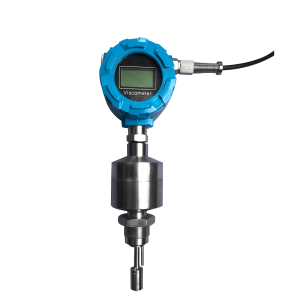

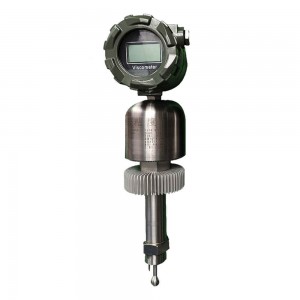

More Online Process Meters


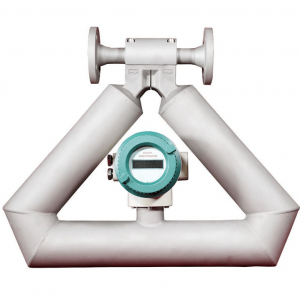
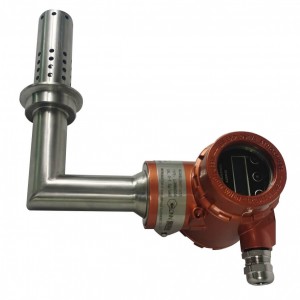
Integrating Inline Viscosity Measurement in the Process of Milk Powder Production
4.1 Advantages of Inline (Continuous) Versus Offline (Batch) Measurements
Inline viscosity measurement offers faster response times than traditional offline or laboratory methods. These real-time readings allow immediate correction of process parameters, such as feed concentration or temperature, critical for milk powder manufacturing. Inline sensing minimizes manual sampling, thereby reducing human error and the risk of contamination. Continuous monitoring better captures transient process variations that batch sampling often misses, leading to enhanced process insight and improved control over product moisture, texture, and consistency.
Additional benefits include:
- Improved process efficiency: Reduced wait times for lab results translate to higher throughput.
- Better product quality: Immediate feedback keeps the spray dried milk powder within the desired specification range.
- Reduced operator intervention: Automation lessens reliance on manual checks and interventions.
- Minimized sampling error: Inline devices record the actual process, not just a single batch snapshot.
4.2 Typical Sensing Technologies: Selecting a Food Viscosity Meter
Three core inline viscosity measurement technologies are prevalent in modern dairy processing:
Rotational Viscosity Meters: Use rotating parts to determine resistance in the fluid. Effective but susceptible to fouling and require regular maintenance, especially with high-solids milk concentrates.
Vibrational Viscosity Meters: Measure viscosity changes by monitoring the damping effect of the process fluid on a vibrating element. The Lonnmeter food viscosmeter, for example, offers high sensitivity—key qualities for the milk powder manufacturing process.
Acoustic/Ultrasound-Based Sensors: These non-contact devices transmit ultrasonic waves through the process fluid and measure how viscosity influences wave propagation. They provide real-time data, are less prone to fouling, and are especially suitable for clean-in-place (CIP) and sterilize-in-place (SIP) operations.
Key features of a good food viscosity meter for milk powder production:
- Hygienic design: 316 stainless steel and sanitary fittings to prevent contamination.
- CIP/SIP capability: Supports rigorous cleaning or sterilization without sensor removal.
- Robustness: Resistant to high-viscosity streams, plant noise, vibration, soft particles, bubbles, and cleaning chemicals.
- Minimal moving parts: Reduces maintenance, improves reliability, and decreases measurement drift.
- Strong correlation with lab results: Ensures confidence in process control and milk powder quality control.
4.3 Best Practices for Installation and Maintenance of Inline Viscosity Meters
Installation
- Place sensors in well-mixed areas of the process line, away from dead zones or high foaming regions.
- Ensure the meter is accessible for inspection but shielded from physical damage.
- Position inline sensors in representative streams for accurate measuring of milk viscosity.
Cleaning Cycles
- Select meters with full compatibility for automated CIP/SIP systems, as high-solid milk products are prone to surface buildup.
- Schedule regular sensor surface inspections and cleaning, especially in the spray drying technology for milk powder.
Calibration Schedules
- Follow factory calibration protocols and maintain detailed calibration certificates.
- Verify calibration in the field as recommended—some devices support rapid checks using NIST-traceable standards, or allow in-process scaling.
- Implement periodic review of meter performance against laboratory viscosity measurement in dairy products to ensure ongoing accuracy.
General Maintenance
- Opt for rugged, welded construction to withstand harsh cleaning and continuous operation.
- Conduct routine checks for buildup, fouling, or mechanical wear.
- Use built-in diagnostics or quick-connect systems, where available, to facilitate maintenance without production disruption.
Plants following these best practices achieve higher uptime, consistent product quality, and reduced manual intervention throughout the milk powder manufacturing process.
Optimizing Product Quality Through Viscosity Management
Influence of Viscosity on Powder Properties: Particle Size, Flowability, and Solubility
Viscosity directly shapes the physical characteristics of milk powder during spray drying. Higher feed viscosity leads to the formation of larger particles. For instance, increasing sucrose levels in the milk feed results in larger particle size and higher particle density, with the largest agglomerates forming when sucrose reaches 10% w/w. This creates a more log-normal particle size distribution, which can impact handling and consumer application suitability.
Flowability is highly dependent on particle size and the viscosity of the feed. As feed viscosity increases, so does the average particle size, which generally improves powder flowability. Clean-label flow enhancers such as ultrafine milk powders rely on controlled feed viscosity to optimize flow characteristics, which are critical for packaging and downstream processing.
Solubility varies with process parameters such as inlet air temperature, which are themselves influenced by feed viscosity. Milk powders processed at higher temperatures (e.g., 200°C vs 150°C) exhibit solubility values up to 99.98%. Proper management of feed viscosity, combined with spray drying parameter control, yields milk powder that dissolves efficiently and maintains desired physical attributes.
Correlation Between Viscosity Readings and Sensory/Nutritional Attributes
Accurate viscosity measurement ensures that milk powders consistently meet sensory and nutritional quality standards. Feed viscosity, determined by protein, fat, and starch levels or modified by ingredient additions, impacts mouthfeel, flavor, and nutrient retention throughout the milk powder production process.
A decrease in feed viscosity, whether from spoilage or formulation change, can lead to less appealing mouthfeel and reduced nutritional value. For example, storage of milk-based beverages at higher temperatures lowers viscosity, resulting in less creamy mouthfeel and diminished consumer acceptability. Conversely, optimizing feeding systems for lactating cows (e.g., pasture-fed) alters milk fatty acid profiles and maintains higher viscosity, which bolsters both shelf life and flavor.
Non-bovine milks such as camel milk require tailored viscosity management during spray drying for optimal atomization. Increased total solids elevate viscosity, promoting better powder formation and ensuring that the sensory and nutritional properties are preserved for niche applications.
Quality improvements in the milk powder manufacturing process stem from accurate and timely viscosity measurement. The use of Lonnmeter inline viscosity meters for food leads to improved mouthfeel and maximal nutritional retention by enabling real-time corrections during spray drying
Ensuring Consistency in Spray Dried Milk Powder via Process Control
Statistical process control (SPC) systems integrated with continuous viscosity measurement are key to achieving consistency in spray dried milk powder. Instruments acoustic flowmeter and inline viscometers provide real-time viscosity data, allowing immediate process adjustments.
SPC tools such as control charts and Pareto analysis use this viscosity data to identify defects, stabilize the milk powder spray drying process, and optimize capacity. For instance, monitoring viscosity alongside solids content in milk protein concentrate ensures precise control over spray drying, resulting in defect reduction and enhanced product uniformity.
Modern milk powder quality control frameworks (e.g., HACCP) increasingly incorporate SPC driven by inline viscosity readings to maintain product standards throughout the milk powder manufacturing process. This data-driven approach ensures that flowability, solubility, and sensory attributes remain within target specifications, safeguarding product quality in high-volume dairy production.
Troubleshooting and Process Optimization Using Viscosity Data
Common Viscosity-Related Challenges in the Milk Spray Drying Process
Viscosity is central to controlling the milk powder production process. High viscosity in the feed disrupts atomization, making it difficult to produce consistently sized droplets. This can lead to several process issues:
Clogging of Nozzles:When viscosity rises above target, the feed struggles to pass through spray nozzles. This results in frequent blockages, which reduce operational efficiency and increase downtime. Installing strainers to remove larger particles and using nozzles with larger free passageways help decrease the risk of clogging. Regular cleaning and maintenance routines are necessary, particularly when processing concentrated feeds or those lacking proper homogenization or emulsifying agents.
Inconsistent Powder Quality:Variations in feed viscosity alter droplet formation during atomization. Higher viscosity typically produces larger powder particles—these may exhibit darker color and impaired dispersibility. While larger particles can improve flow and wettability, excessive agglomeration may affect the powder’s solubility and appearance.
Poor Atomization:Stable atomization requires that viscosity stays within optimal limits. Deviations can cause uneven droplet sizes, reducing the yield of uniform spray dried milk powder. Atomization pressure and nozzle design directly influence the ability to manage these effects.
Solubility Issues:Feed viscosity influences how milk solids interact during drying. Inadequately atomized milk can lead to poor powder solubility, affecting final product functionality, whether for instant dairy applications or reconstitution.
Using Inline Data for Rapid Process Adjustments
Realtime monitoring through inline viscosity meters transforms troubleshooting in the spray drying of milk powder. Inline viscometers, such as the Hydramotion XL7 and acoustic flowmeters, deliver continuous, accurate feed viscosity readings as milk flows through the production line. This enables operators to act immediately if viscosity drifts beyond set parameters.
Proactive Interventions:Inline readings provide instantaneous feedback. When an anomaly is detected—say, rising viscosity that could precede nozzle clogging—operators can adjust atomization pressure or modify feed composition before a problem escalates. Automated control platforms use these readings to fine-tune operational variables without manual intervention, reducing human error and increasing yield.
Process Optimization:Continuous data allows for dynamic control of feed concentration, homogenization, and temperature, securing quality and efficiency. For example, if a rise in viscosity is detected following protein enrichment, process conditions can be modified to restore atomization quality and ensure consistent spray dried milk powder properties.
Losses and Downtime Minimization:Rapid adjustments powered by inline data result in fewer batch failures, less wastage, and shorter cleaning cycles. Inline systems also support routine process validation, a benefit for regulatory compliance and food safety demands.
Workflow Recommendations for Efficient Milk Powder Production
Effective integration of viscosity data into the process of milk powder production requires synergistic workflow design. Key recommendations include:
Automated Data Integration:Viscosity meters for food should connect directly to distributed control systems (DCS) and operator dashboards. For example, plants using Hydramotion online viscometers or FLOWave acoustic flowmeters achieve seamless, real-time process monitoring, automatically triggering corrective actions when thresholds are exceeded.
Operator Dashboards:User-friendly dashboards display current viscosity measurement in dairy products alongside other critical process variables (feed solids, temperature, atomization pressure). This allows quick interpretation and intervention when issues arise, supporting efficient milk powder manufacturing process workflows.
Standard Operating Procedures (SOPs):SOPs must explicitly outline viscosity testing in milk processing, covering calibration, maintenance, and corrective response protocols. Documentation should detail how to measure viscosity in food inline, optimal ranges for different spray drying technology for milk powder, and response plans for deviations. Integration with electronic batch records ensures traceability and process validation.
Process Automation Platforms:Advanced systems (such as SpiraTec) use viscosity data to optimize spray drying of milk powder. Automation platforms facilitate consistent production, maximize yield, and maintain quality with minimal operator intervention. Real-time process control algorithms adjust feed rate, dryer temperature, and atomizer settings based on viscosity of milk readings.
Continuous Quality Assessment:Inline viscosity measurement in dairy products aids milk powder quality control, ensuring every batch meets product specifications for particle size, solubility, and flowability. Automated alerts and reporting systems streamline troubleshooting and prevent costly product downgrades.
In summary, integrating viscosity data from food viscosity meters and inline sensors into process automation and operator workflows is essential for efficient, high-quality spray dried milk powder production. This approach supports early detection of challenges, rapid response, and sustained process optimization across the milk powder production process.
Quality Assurance and Food Safety Considerations
7.1 Role of Viscosity Monitoring in Regulatory Compliance
Inline viscosity monitoring plays a critical role in meeting food safety regulations throughout the milk powder production process. By integrating food viscosity meters directly into continuous operations such as spray drying technology for milk powder, producers achieve automatic, reliable, and traceable measurements of parameters like the viscosity of milk, total solids, and protein content. Modern process analytical technology (PAT), including inline acoustic flowmeters, enables real-time documentation for every production batch, providing an audit-ready digital trail tied to process conditions and decisions.
Key compliance benefits include:
- Immediate detection of process deviations, supporting corrective action before non-compliant product is produced.
- Automatic data logging of viscosity measurement in dairy products, satisfying documentation needs for regulations like HACCP and FSMA.
- Improved traceability, allowing manufacturers to track and verify milk powder quality control back to the specific time and condition of manufacture.
By enabling batch-wise data analysis, inline viscosity monitoring streamlines responses to quality deviation and supports faster root-cause identification, enhancing regulatory compliance and recall management.
7.2 Cleaning, Calibration, and Hygiene for Food Viscosity Meters
Inline viscosity meters used in the process of milk powder production demand rigorous cleaning and calibration to safeguard both measurement reliability and product safety. Cleaning-in-place (CIP) protocols are standard: equipment is cleaned without disassembly, typically using automated cycles that include pre-rinsing, detergent cleans, hot water and acid rinses, and final flushes at specified temperatures and flow rates.
Best practices for CIP in dairy include:
- Scheduling cleaning cycles based on documented risk assessments and manufacturer guidelines, minimizing cross-contamination between milk spray drying process batches.
- Validating the effectiveness of cleaning through periodic microbiological sampling, ensuring compliance with food safety standards such as 3-A Sanitary Standards.
Calibration is equally vital. Reliable food viscosity meters require regular, documented calibration against industry standards:
- Calibration should be conducted at set intervals and after process changes to maintain the accuracy of viscosity testing in milk processing.
- Sanitary sensor designs, short and easily cleaned, help ensure both hygienic operation and proper calibration.
- Calibration records must be maintained and available for regulatory audits to demonstrate ongoing compliance.
Routine maintenance rounds should also include inspection and replacement of seals and gaskets, preventing build-up that could affect viscosity readings or introduce pathogens. Integration with automation systems can offer error detection and prompt notification for irregularities, aiding milk powder manufacturing process risk management. The combination of scheduled cleaning, calibration, and hygienic design is foundational to consistent, compliant spray drying of milk powder and high-quality spray dried milk powder production.
Frequently Asked Questions (FAQs)
1. What is the importance of viscosity in the milk powder production process?
Viscosity regulates how milk behaves during critical steps like evaporation and spray drying. It determines how easily milk flows and atomizes, directly influencing particle size, solubility, and dispersibility of the final powder. Poor viscosity control can result in uneven powder characteristics, reduced yield, and inconsistent quality. For example, high viscosity increases agglomeration in spray dryers, affecting powder structure and solubility. Proper viscosity management leads to reliable sensory and nutritional attributes in spray dried milk powder.
2. How does a food viscosity meter improve the milk spray drying process?
A food viscosity meter such as an inline acoustic flowmeter or rotational viscometer provides continuous, real-time viscosity measurement in the process stream. This enables instant feedback and automatic adjustment of feed composition or process settings. If milk viscosity deviates from optimal, the system can promptly correct solids concentration or temperature, maintaining consistent powder properties and minimizing material waste. Live plant studies show such devices reduce yield loss and enhance energy efficiency during milk powder spray drying.
3. Which factors influence the viscosity of milk before spray drying?
Several factors shape the viscosity of milk feed:
- Temperature:Higher milk temperatures lower viscosity; pasteurization conditions affect protein structure and stability.
- Protein and Fat Concentration:Higher protein and total solids content increase viscosity, leading to more pronounced emulsion characteristics.
- Homogenization Level:More intense homogenization reduces fat globule size, stabilizing emulsions and lowering viscosity.
- Additional Ingredients:Added stabilizers, sugars, or minerals can alter viscosity and emulsion behavior.
Controlling these variables ensures the milk feed flows and atomizes predictably in the spray dryer, supporting stable powder formation with the desired physical attributes.
4. What types of inline viscosity meters are best suited for dairy applications?
The optimal inline viscosity meters for milk powder manufacturing are:
- Rotational Viscometers:Directly measure resistance to rotation; robust, suitable for various milk concentrations. Must be food-grade and compatible with cleaning-in-place (CIP) or sterilization-in-place (SIP) processes.
- Vibrational (Acoustic) Viscometers:Use vibration or sound waves to detect viscosity changes; effective in tracking non-Newtonian fluids like milk protein concentrates.
- Coriolis Flowmeters:Infer viscosity from oscillation and flow data; proven to provide reliable, continuous measurements in dairy streams.
Industrial-grade on-line viscometers designed for CIP/SIP resistance and built to withstand dairy fouling are critical for accurate and maintenance-friendly application in milk powder spray drying processes.
5. Why is inline viscosity measurement preferable to offline methods for milk powder production?
Inline viscosity measurement offers uninterrupted, real-time monitoring, while offline methods rely on periodic manual sampling and lab analysis. The real-time approach allows immediate response to process fluctuations, ensuring steady quality and preventing formation of non-conforming batches. It also reduces downtime, minimizes resource waste, and supports optimal process control—advantages central for milk powder manufacturing efficiency and compliance. Inline methods match laboratory accuracy but deliver superior industrial value, particularly for continuous processes like spray drying.


